The shadow left behind
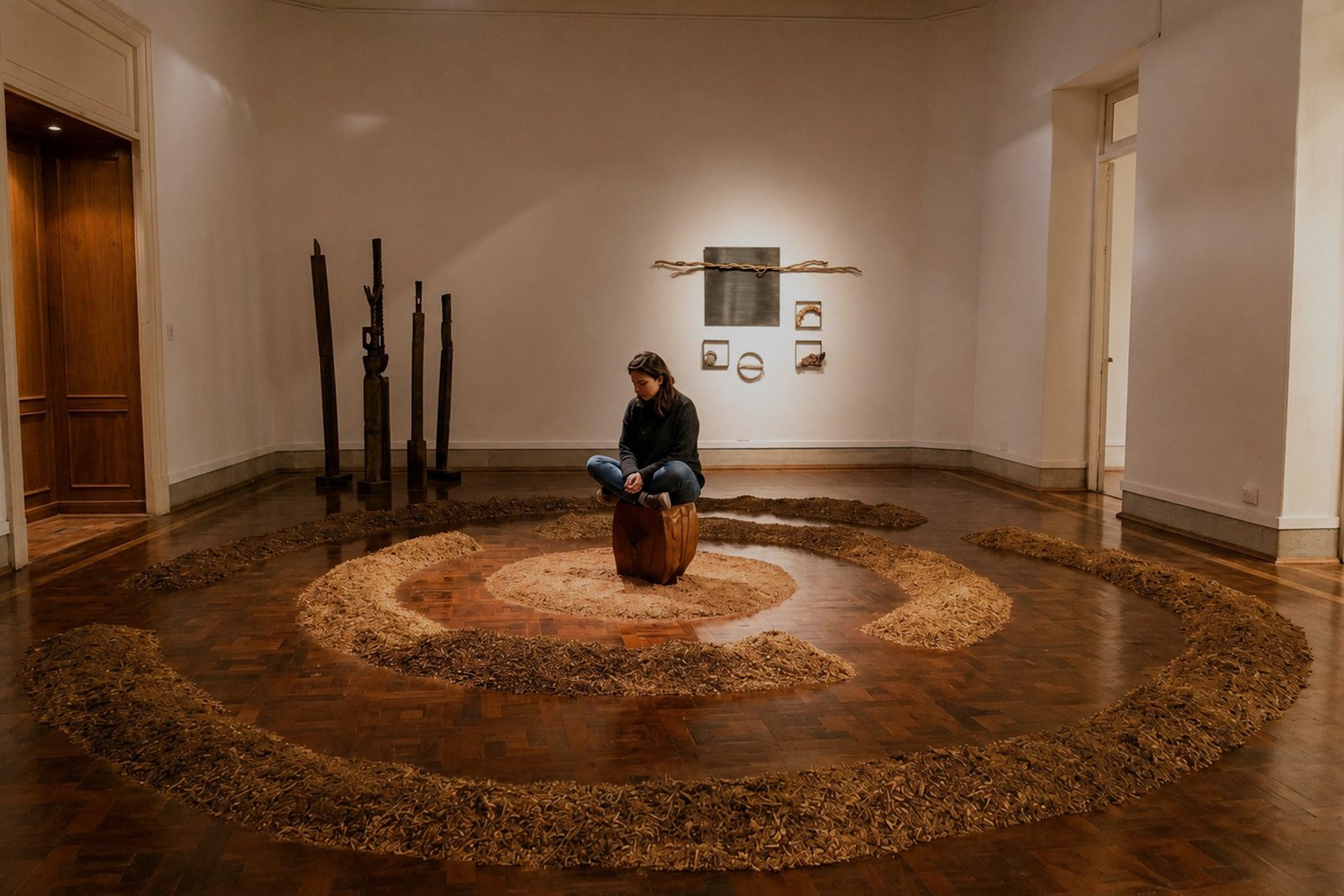
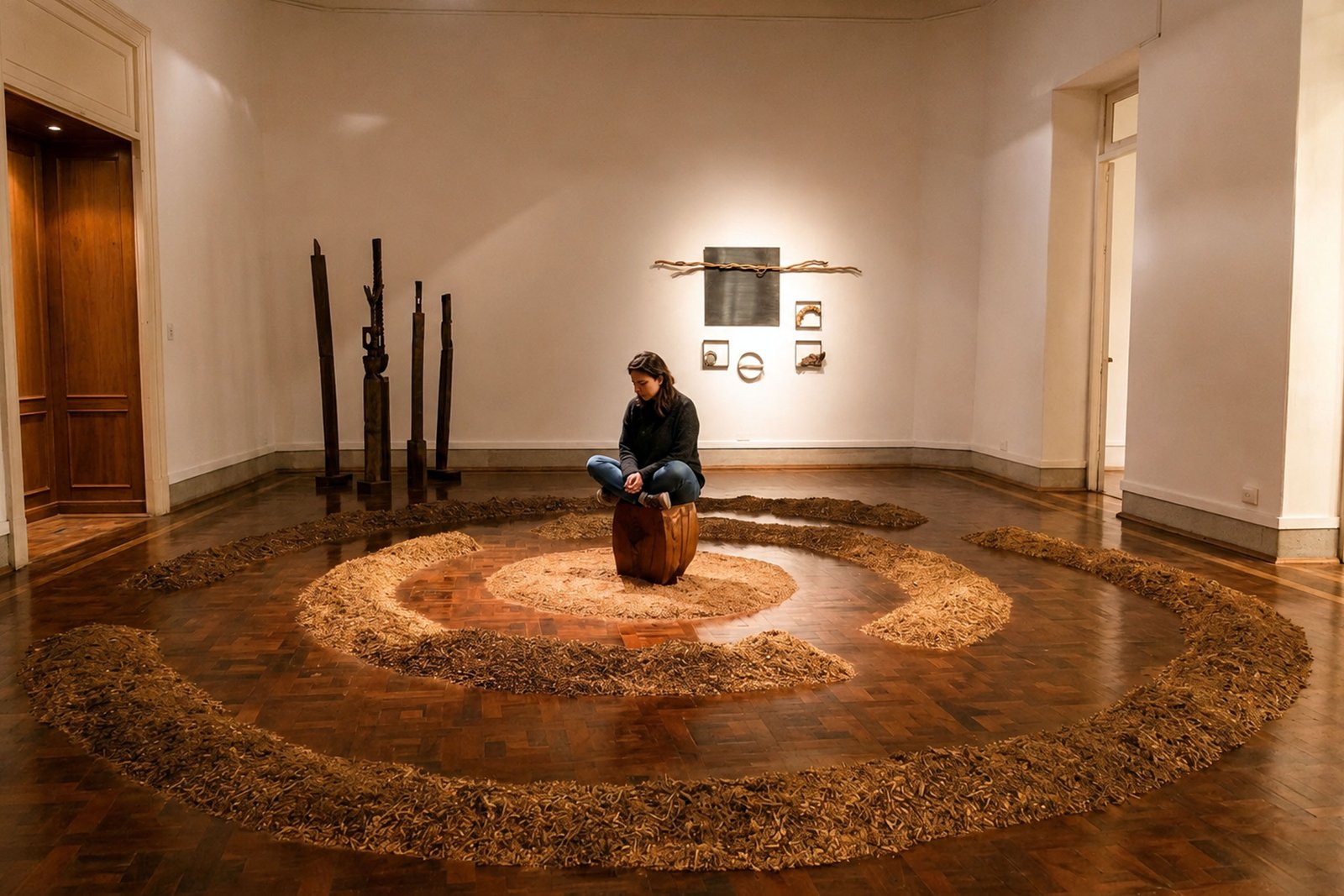
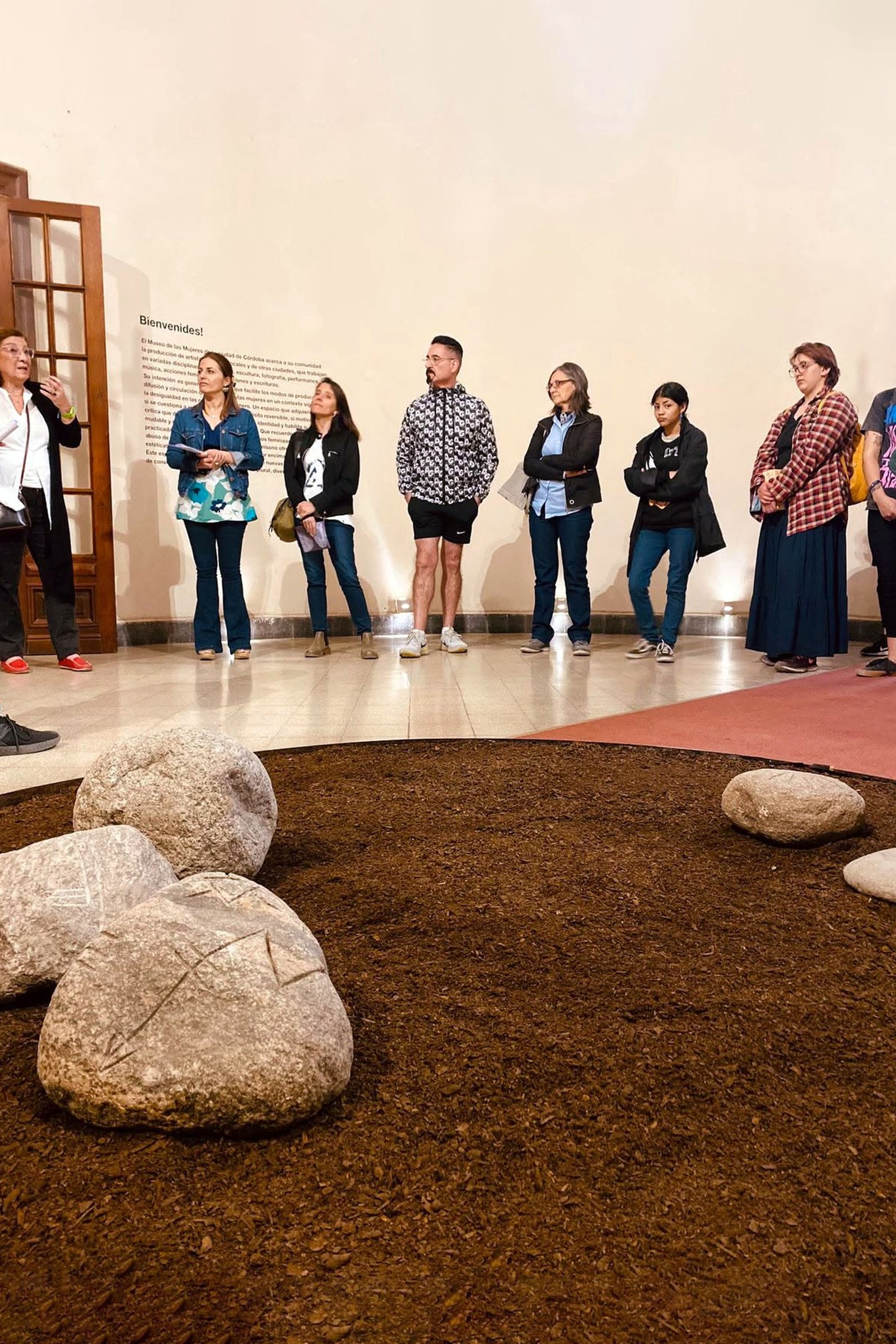
Espacio Cultural Museo de las Mujeres | Córdoba | September – November 2022
Sara’s is a thoughtful gaze upon the cosmos. One of profound perception. Abundant, attentive, even pantheistic. Above all, it is a gaze devoted to the relational dimension of forms, focused on the imperceptible connections between things, intent on unveiling the traces of being-in-the-world. Or the shadows they leave behind…
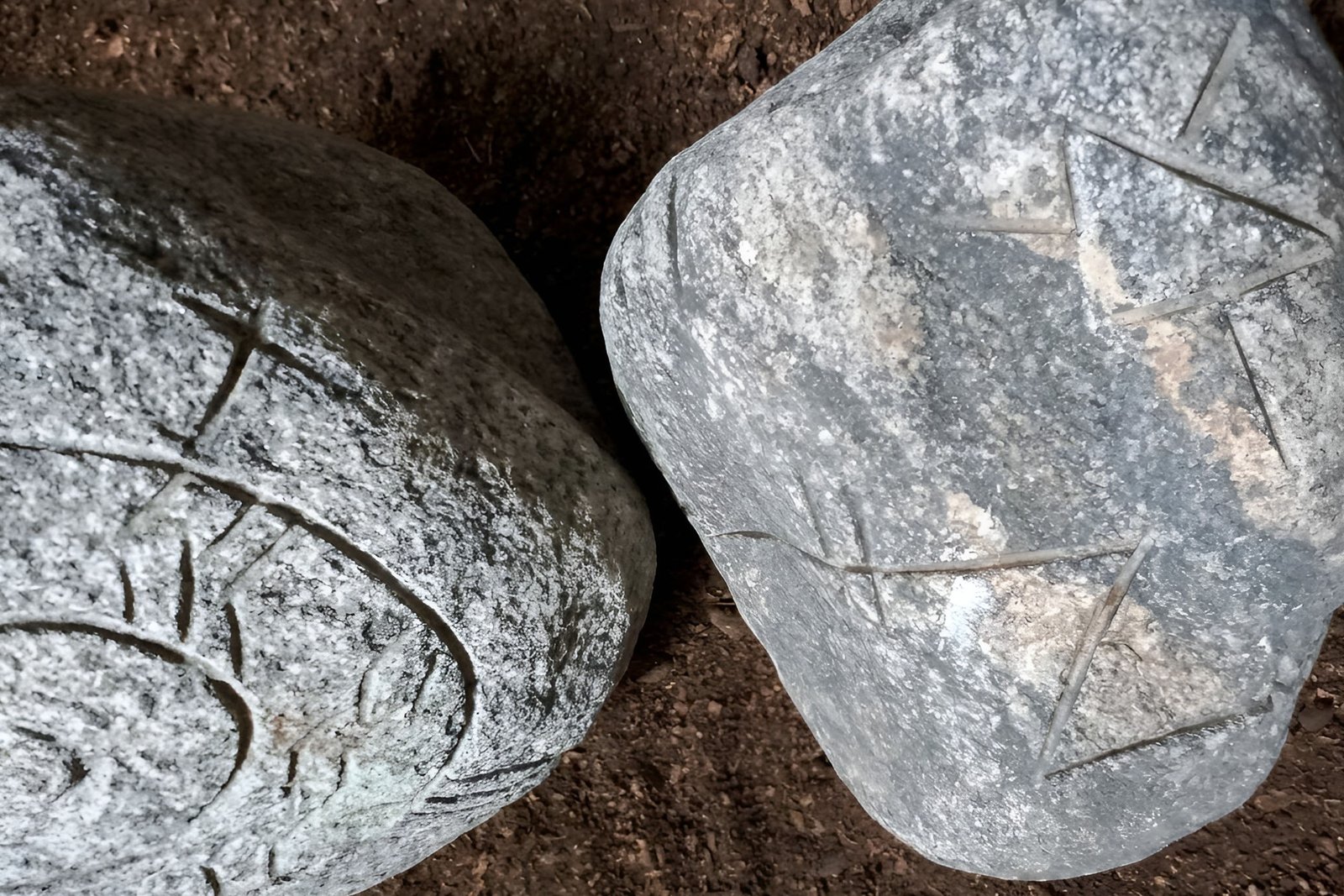
Her sculptures lay bare the tensions inherent in inevitable processes —erosion in its transformative role, the changes that time brings about in matter— alongside the capricious and deliberate intervention that turns geography into territory, and territory into landscape. Ultimately, her work embodies the synthesis of a carefully considered ethical and aesthetic operation that constructs meaning from what already exists, in a mythopoietic exercise drawing upon the remnants of ourselves.
Far removed from the sculptural tradition of the enclosed mass as an object of contemplation, Sara’s works invite us to enter them, to walk through and across them. They remain in a state of constant reconfiguration, through their movements in space and the interplay of their elusive projections. Like a sanctuary imbued with a sense of the sacred, the exhibition leads us into a space conceived almost as a rite of initiation, where a kind of dislocated sense of historical time brings together the raw, clamorous immediacy of urban life and the inscrutable secrecy of ancient codes. These narratives of the totemic evoke a form of reflection that nevertheless neither seeks nor manages to reduce the universal language spoken by the earth and its elements to a circumstantial here and now.
Within this interplay of contrasts, dualities and tensions between the organic and the natural —which erupts as if resisting the yoke of scientific domestication from its very centre of gravity— and the ascetic geometry underlying rational abstractions of primordial forms, the Pythagorean —mathematical— ordering of all things enters into an anachronistic dialogue with the ancestral worldviews of non-Western philosophies. Both, in their own way, make a silent yet profound claim about the fiduciary nature of our passage through the world.
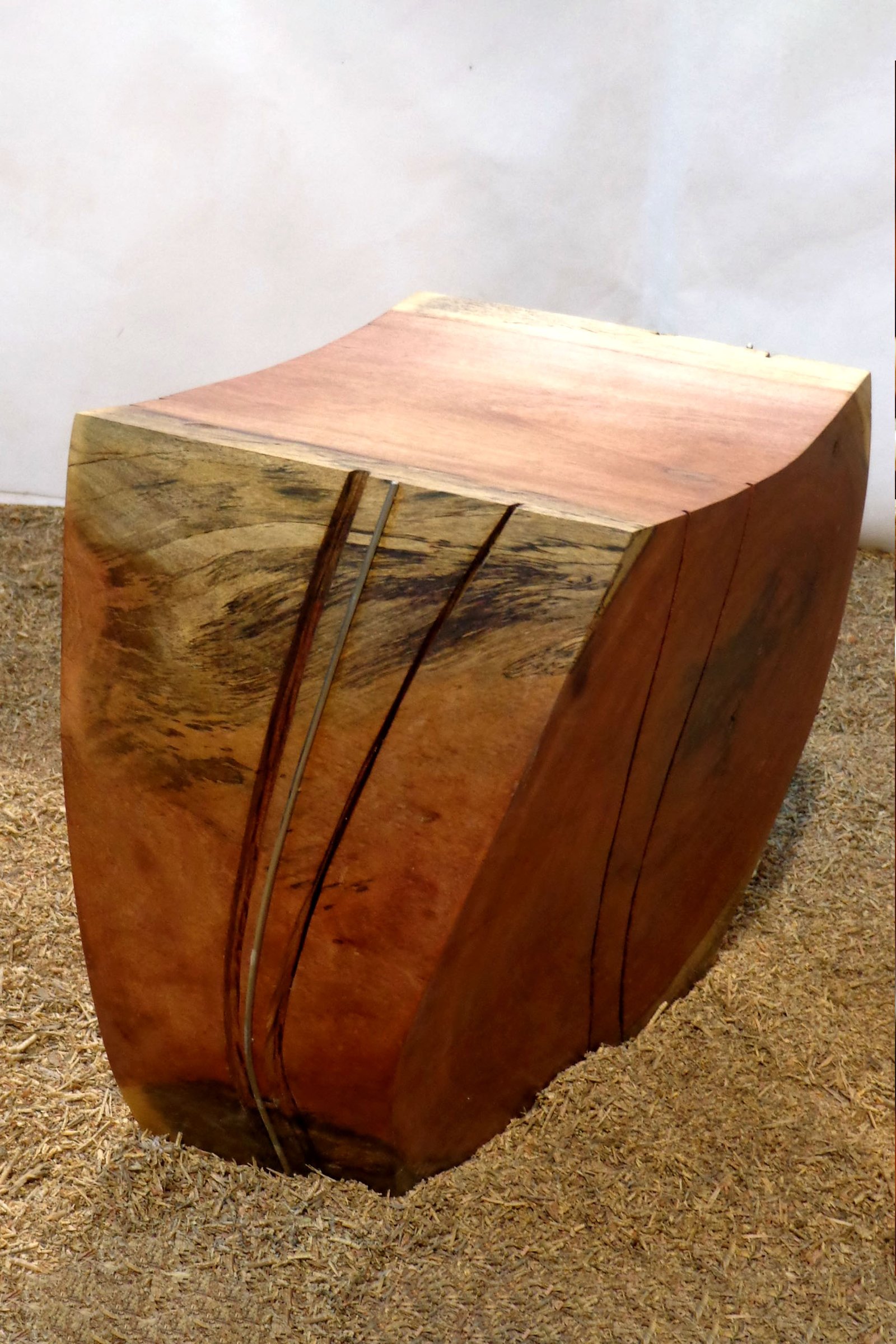
Something anthropological, or perhaps a renewed humanism, emerges from the artist’s proposal. Not the kind that led to an instrumental conception of nature, but rather one grounded in the principles of a sacred communion with the surrounding environment. Her gesture of transforming collected natural objects into art, estranging them from their natural surroundings as though they were fragments of carefully designed, meticulously constructed artefacts, nevertheless embodies a play of re-signification that almost religiously resists reducing them to mere objects, preserving what still lives within them.
Through these processes, her work perfectly embodies the primitive meaning of the concept of mimesis, which, before becoming illusionism —or a mere convincing imitation of nature— referred to a deeper dimension of its creative possibilities: the act of producing “as” nature does. “As” nature, but no longer within the realm of necessity that supposedly governs the laws of the universe, but within the margins of freedom offered by the dynamics of art. Or beyond them.
Perhaps the greatest challenge posed by this exhibition is to bring renewed relevance to the unanswered questions of lost yet still latent memories, by exploring the widening fractures of a frenetic contemporary world that will one day have to turn its gaze back, or perish. To confront, through the enduring historical tensions between art and nature, the never-closed question of the meaning of existence and the loving bond humanity must nurture with itself. To recognise that, at every step, it is these very traces that project the horizon of possibilities yet to come.
If we believe that a dialogue with the universe remains unfinished, that it is both necessary and urgent. And that art can offer us that phenomenological pause, that suspension of time in which we can stop and reflect, envisioning ourselves as part of a renewed, empathetic and respectful web of relationships. If art can also be that turning point from which we rebuild ourselves through our own traces. If all this comes to pass, then perhaps what the shadow leaves behind will be light.
— Julia Oliva Cúneo
